Healthcare in the North—Medical Excellence in the Face of Structural Inequity

I am sitting in the airport in Sault Ste. Marie as I write this week’s blog post and the sun is bright and warm in late September. I have just finished a two day membership tour of this incredible community and I am excited to share my experience. More importantly, however, I am excited to share the experiences of physicians working in northern Ontario. It is their stories that we will focus on this week on The Doctor Is In.
Sault Ste. Marie in the early fall is gorgeous. Bright sun, crisp air, and a sense of community that permeated every event I attended. I visited the hospital and the Group Health Centre, speaking to practicing physicians and medical learners. We had the annual general meeting for District 9, which is the North Eastern Ontario district of the OMA. The next night I had the privilege of meeting many of the physicians in Sault Ste Marie at a dinner celebrating physician recruitment and the physician community. They had spent the afternoon golfing together and then came together to break bread and celebrate each other’s talents and dedication (Did I golf? Thankfully, for the safety of everyone on the course, I did not).
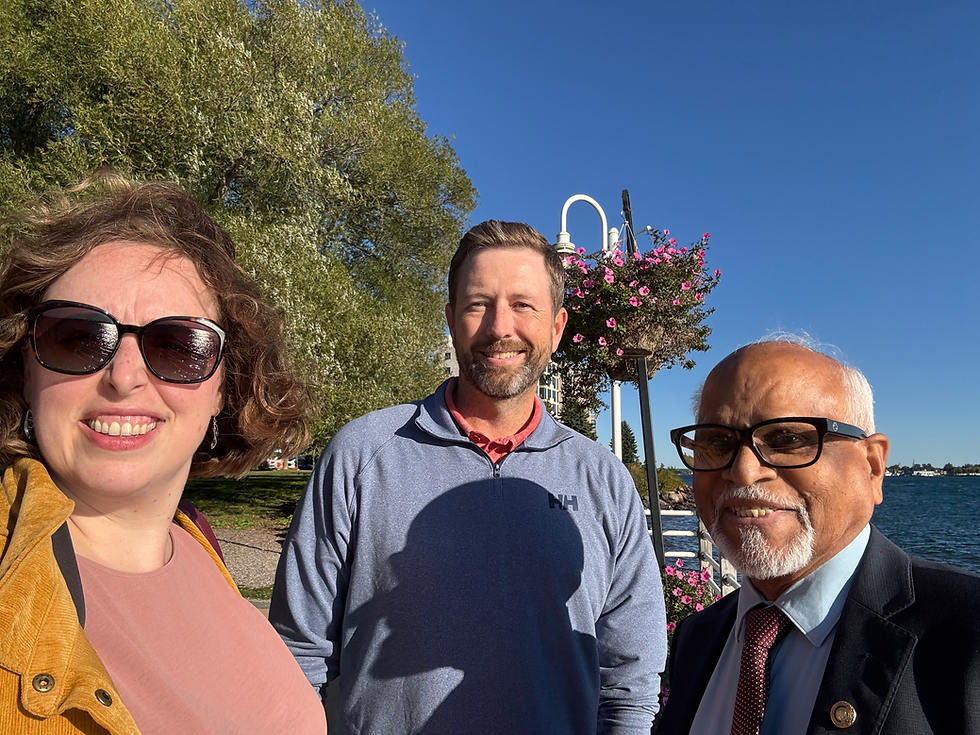
I met amazing physicians, from across specialties, who have made the north of Ontario their home. Many of them grew up in the north but there are also many who have moved here after after becoming doctors. They work together to ensure that the patients of their community have the best quality healthcare possible, despite living in an underserved area that is provided less resources than many communities in southern Ontario.
My job while on tour is to listen to physicians’ concerns and ensure elevation of their voices as the OMA advocates for a better healthcare system. And the stories that these incredible physicians have shared demonstrate a clear inequity that patients and communities in the north of our province are facing.
I learned that in many places there are not enough physicians in the community to provide the amount of care required, both with family physicians and consultation specialists. And often physicians are struggling to find the community supports and infrastructure needed to support their intense work schedules. A lack of available childcare strains our northern physicians ability to both be on call and ensure proper supervision of their families. And when our northern physicians can be on call a week at a time, this is not a rare occurrence. This is regular reality that they have to navigate again and again.
The geography of the north and the weather risks associated with it place our health infrastructure at risk. Last winter, the GTA received 60 cm of snow in one go—it was all over the news as services in the GTA ground to a halt. At the same time, communities in District 9 had been completely isolated from one another. The roads were down, air travel including medical flights were grounded. There was no way in or out of these communities for 5 days. Anyone who was sick had to be cared for with the resources and personnel who were in town at the time. And this was not reported on widely. Countless stories of the storm in the GTA but no mention of our fellow Ontarians trapped in their communities because there was no way to help sick patients be transferred out if needed.
This is not an isolated incident. It is an expected occurrence. My colleagues shared stories of the OPP driving through snowstorms to bring nurses and doctors to the hospital to ensure proper coverage. A colleague once had to send her brother to pick up a doctor he had never met to ensure they had the support needed for a critically ill patient during a weather event. This is what is needed to ensure that patients get the care that is required. Time and time again, the physicians of the north rise to the challenge.
My colleagues spoke of the cost of practicing medicine in under-resourced communities. There is the anticipated burn out of being one of the few keeping a community’s healthcare system functioning. But beyond that, there is the ethical burnout of knowing that geography might dictate the care that a patient should be able to access as a resident of Ontario. I heard the story of young patients with cancer who have declined life saving surgery because the costs associated with the travel to a larger hospital were too much for their family to endure. While the travel stipends for healthcare have improved, they are still not enough to cover the cost of travel, accommodation, and meals.
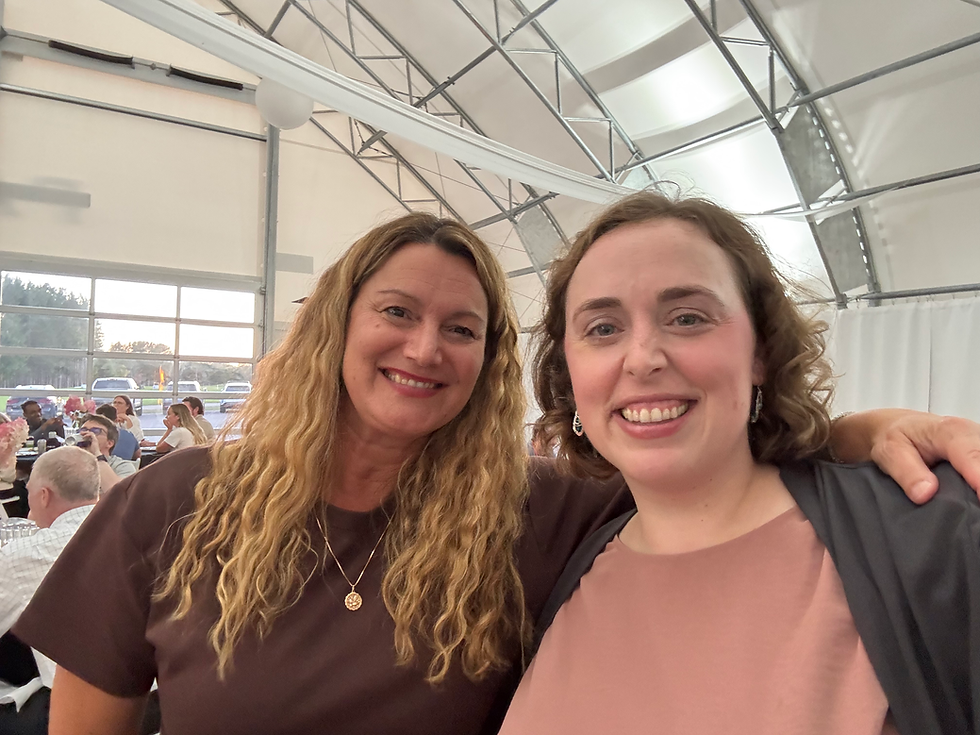
The very days I was attending these meetings, two of my physician colleagues were unable to attend some of the meetings because they had to accompany a parent to Toronto to receive medically necessary healthcare services outside of their community. These scenarios are not the exception, they are the rule. It creates a systemic inequity for our patients in the north—longer waits, longer distances, and less services available.
I share these stories because highlighting our current healthcare realities in Ontario will enable us to better plan its solutions. We have to show up for our patients and physicians in the north. The OMA will continue to fight for concrete solutions to improve healthcare delivery no matter where someone lives in our province.
The last physician services agreement allocated money for the development of a rural coordination centre to improve health human resource allocation and recruitment across northern Ontario. The OMA will continue to advocate that this is both quickly and effectively designed and implemented, with northern physician involvement at all levels of planning. Effective health human resource solutions are always made better by those with lived experience in the communities that need assistance.
We need to reduce the barriers to virtual care across the province. While virtual care cannot always replace in person healthcare delivery, in many situations it can provide access to services that otherwise would not be available. Any care that can be provided virtually safely should be made available. The limitations of virtual care should not be antiquated billing processes that cannot appropriately capture modern day delivery of healthcare.
We also need to understand that community infrastructure is health infrastructure. Increased community resources like recreation centres, pools, safe road ways, etc. All of these important services improve the health of communities. We must recognize the inter-relatedness of health with our education system and with our economy. In the world’s current financial climate, we know that Canada is looking to increase its investment of natural resources. Many of these resources can be found in northern Ontario. As our province and country look to our northern communities for big projects and economic growth, we must also bring the resources needed to maintain healthy communities across the north. A community cannot flourish without healthcare resources available to its population.
I believe in access to healthcare for all no matter who you are or where you are. I will continue to advocate until all communities in Ontario have equitable access to care.


Comments