Federation of Medical Women of Canada—A Conference to Celebrate Women+Physicians and to Empower Change

I started writing this post for The Doctor Is In from Edmonton, Alberta while attending the Federation of Medical Women of Canada (FMWC) conference. In the last 48 hours, my cup has been filled more than usual. What an honour to share space, break bread and celebrate with the incredible doctors at this conference.
FMWC is 102 years old, started when 6 women physicians realized no one was going to make room for them unless they built the room themselves. I began attending this conference on its 100th anniversary and I was struck by the welcoming community I had found. A cross-country group of experts, advocates and soon-to-be friends. FMWC focuses on the health of women+ patients, the wellbeing of women+ physicians, and then actions what is needed to improve both.
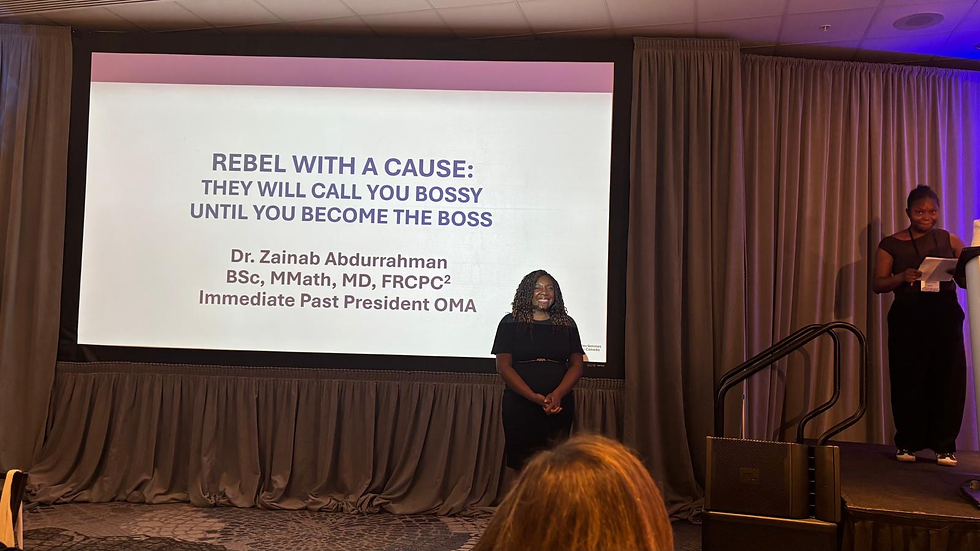
This year, the conference highlighted the outgoing president, Dr. Mudupe Tunde-Byass (Obstetrics and Gynaecology) whose incredible engagement increased the federation’s membership by 50% in the last year. It introduced the new president of the FMWC, Dr. Seema Marwaha (Internal Medicine), whose amazing planning of the conference demonstrated her commitment to this organization and her exceptional ability as a communicator. The federation is in phenomenal hands.

The themes of this conference highlighted how far we have come as women in medicine and also examined where we continue to hit barriers. Over 50% of our medical students are women and yet we do not see the same representation in leadership. We continue to provide exceptional healthcare, but experience higher rates of burnout than our male colleagues. Women, both medical learners and staff physicians, continue to experience harassment and bias in the workplace, not only in how they are treated by patients, but also by how they are treated by the institutions they work in and by their fellow physician colleagues.
The stories shared at this conference were full of strength, of pain, of obstacles that were fought through and barriers that have yet to be breached. I heard my colleagues express that in some ways much change has occurred, but in many other ways, we continue to fight the same fight as decades ago—to enjoy the same right that men in medicine have—an inherent assumption of belonging.
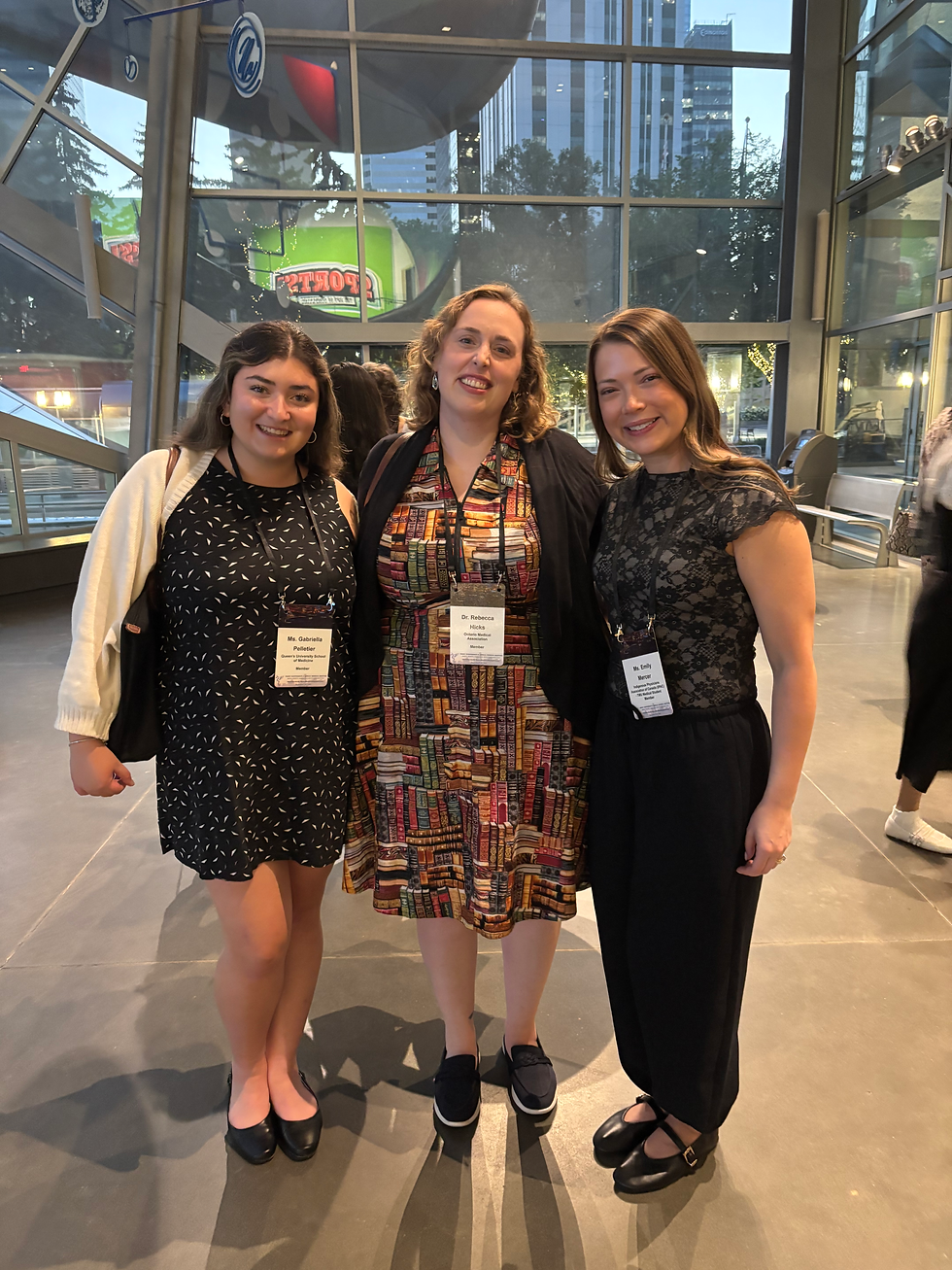
The strength of the FMWC community is that its members do not shy away from the difficult conversations. We do not avoid painful truths. We talk about how important intersectionality is in the experience of women—how race, sexuality, and so many other identities can increase the complexity of barriers that patients and physicians face in the healthcare system and the world at large. We talk about how each of us are responsible for moving beyond mentorship into sponsorship—not simply supporting one another but providing opportunities for each other. Putting your name and credibility on the line for those around you, understanding that true sponsorship is active, not passive.
It is so incredibly important that we continue to meet, collaborate and advocate on behalf of women+ physicians. In the national space we have the FMWC and the Canadian Women in Medicine (CWIM), two amazing organizations dedicated to the support and advocacy for women+ physicians in Canada. In Ontario, the OMA has started the OMA Women’s Forum which enables any woman+ physician and ally physician to join. OMA Women is the first group of its kind, moving beyond advocacy and community building to dedicating resources and creating process that enables women+ physicians to bring proposals directly to the negotiations task force to narrow the gender pay gap in Ontario.
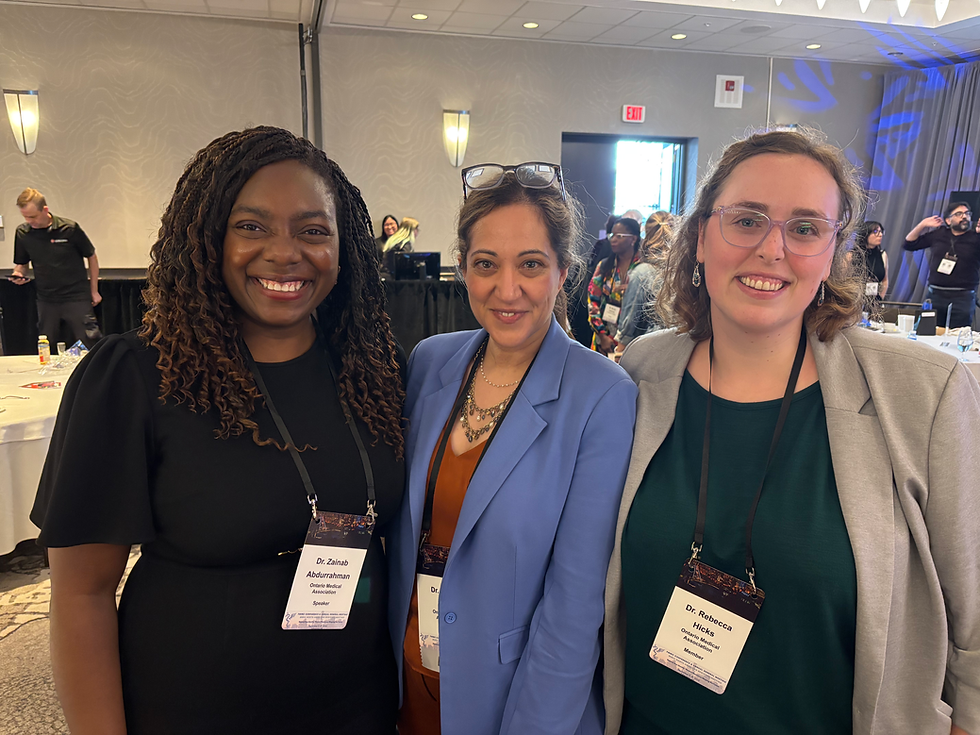
All women+ physicians and ally physicians are welcome to join, including medical students and residents across Ontario. Please log in to your OMA account, click the my account link at the top right hand corner, and join through the “my groups” section of your profile. We need local, regional, provincial, national, and international discourse in order to make a difference. Let's joint together and get to work.

Comments